Raja Ampat gets the headlines. West Papua gets the trophies.
West Papua — the Indonesian province east of Raja Ampat — is where experienced anglers go when they're ready for the next level. Deeper water. Bigger fish. Less pressure. Harder logistics. Everything that makes Raja Ampat the world's best saltwater fishery, dialled up.
Where is West Papua, exactly?
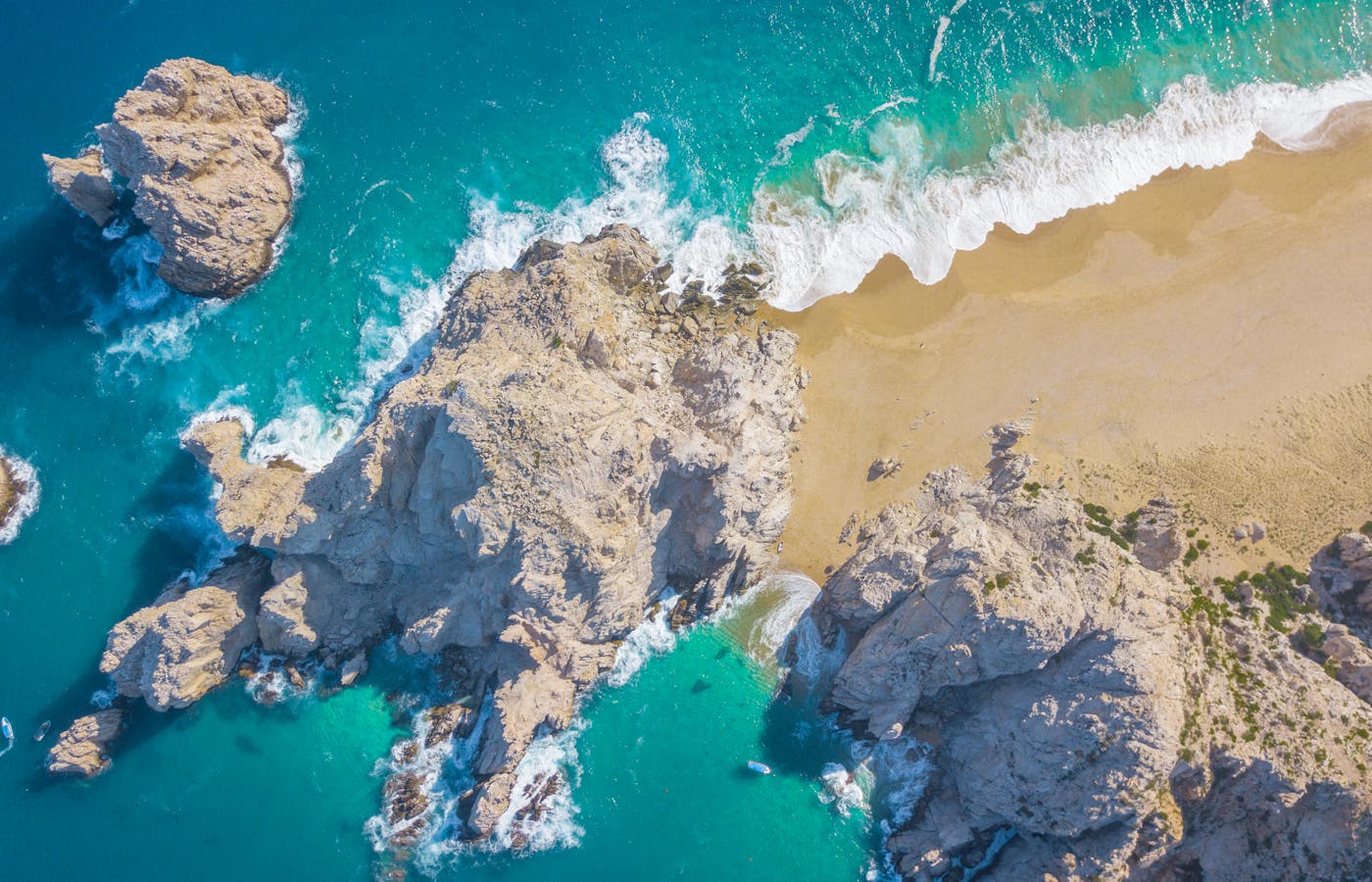
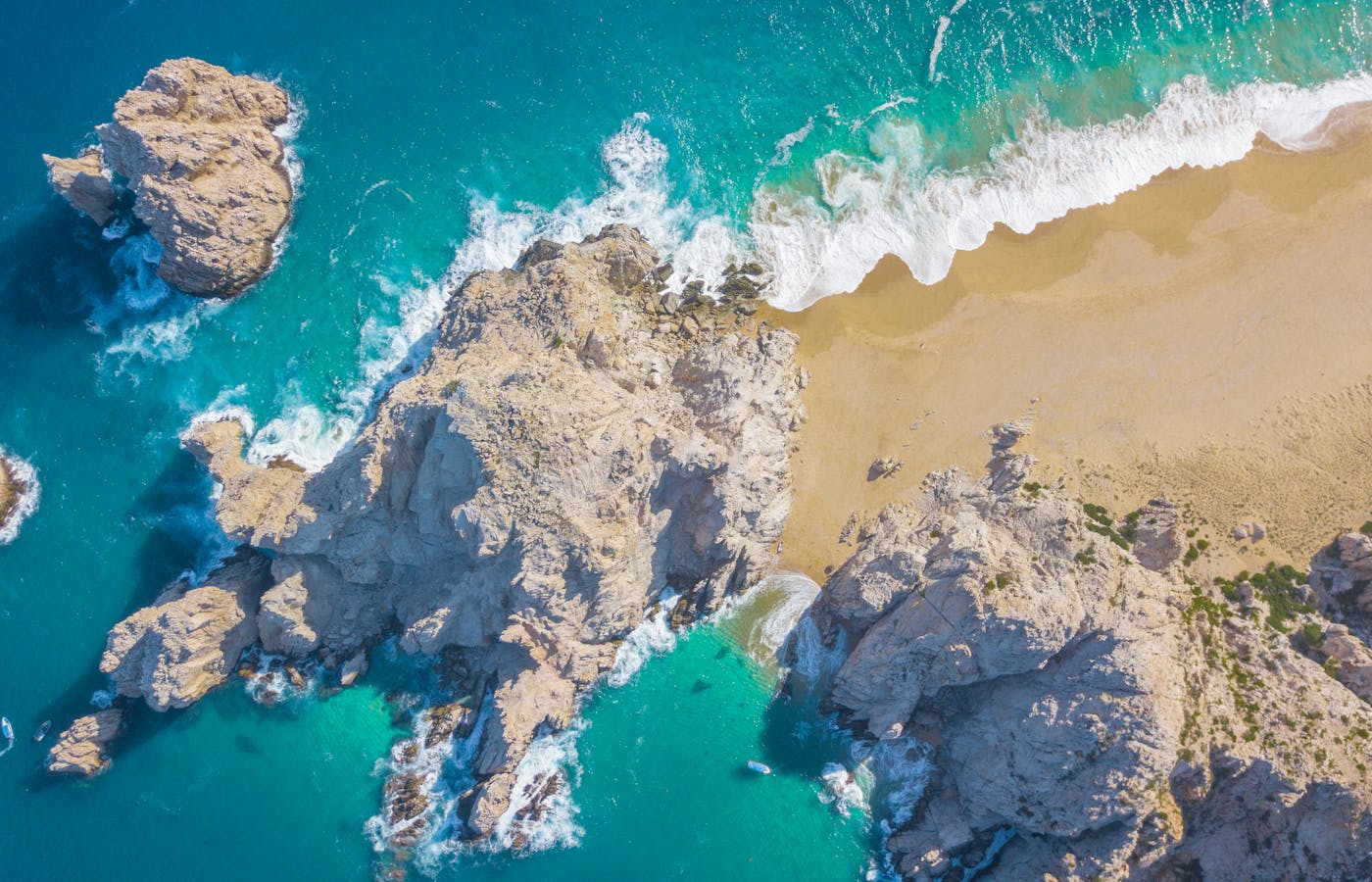
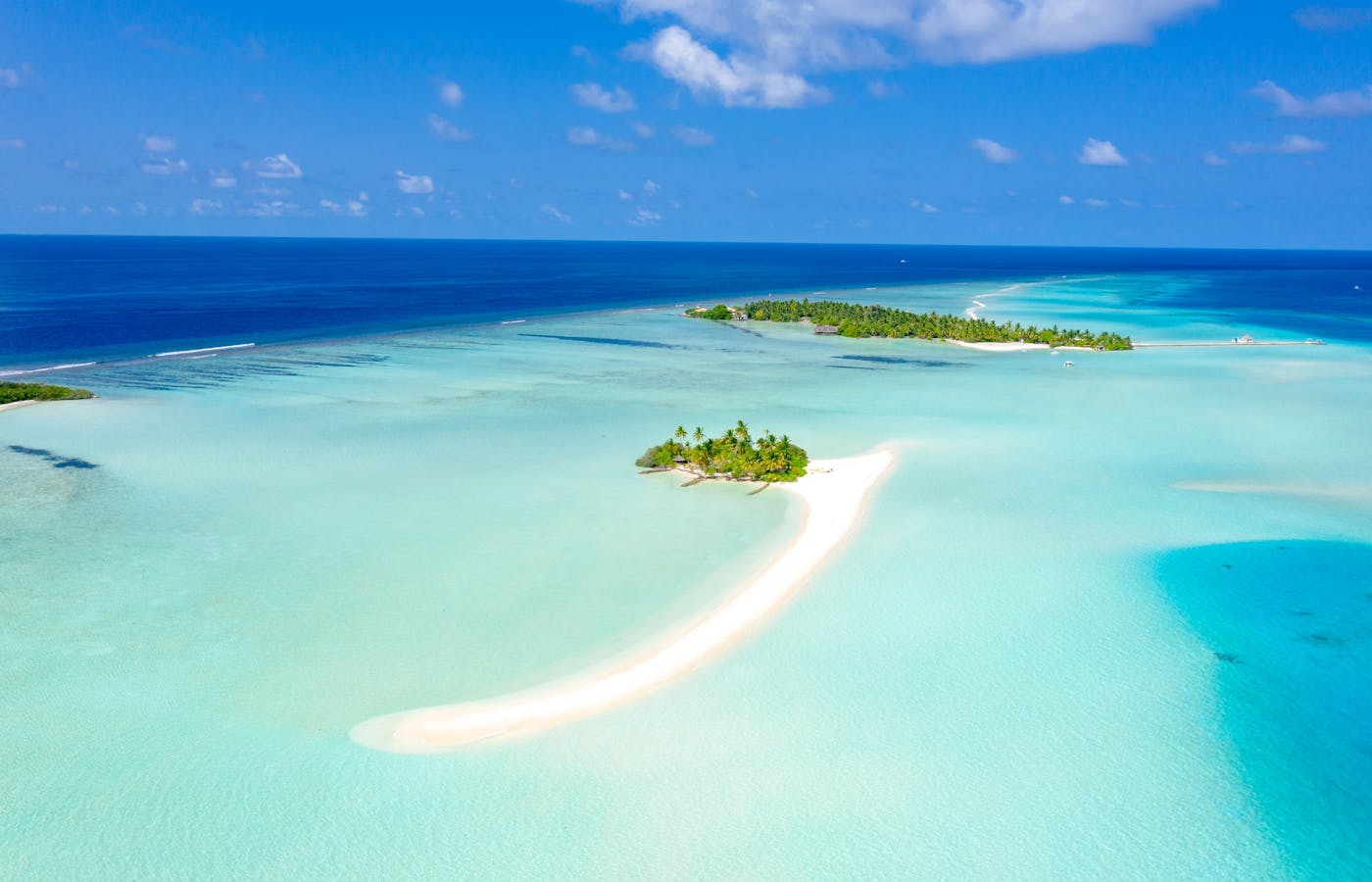
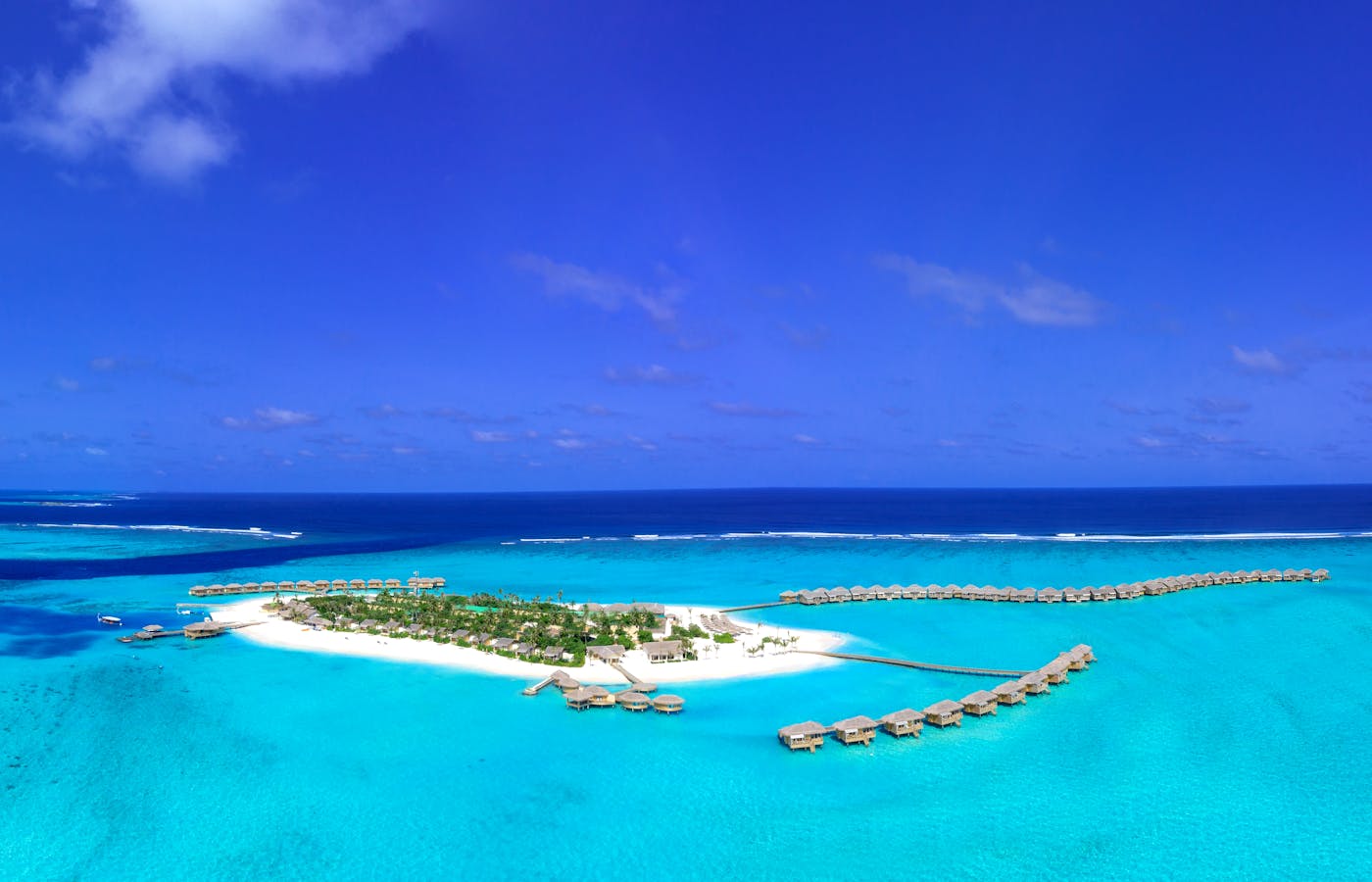
West Papua is the western half of the island of New Guinea, sitting east of Raja Ampat. It's part of Indonesia, but ecologically and geographically it's its own world — a coast of deep passages, offshore seamounts, and steep underwater walls that drop into the Halmahera Sea.
Access typically routes through Sorong, the same gateway as Raja Ampat, then a longer boat run east into the less-fished zones.
What makes West Papua different from Raja Ampat?
Three things:
Bathymetry. West Papua has steeper, deeper structure — pinnacles rising from 200m+, walls dropping straight off the reef edge. This concentrates apex predators in ways Raja Ampat's gentler topography doesn't.
Fishing pressure. Already low in Raja Ampat. Functionally zero in much of West Papua. Many sites see no anglers in a year.
Trophy size. Dogtooth tuna pushing 40–60kg+ are caught here regularly. GT to 50kg+ are not unusual. Amberjack stack on deep pinnacles in numbers you don't see further west.
What species can you target?
The core list:
- Dogtooth Tuna — the main reason most anglers come here. Trophy class, often on jigs over deep structure.
- Giant Trevally (GT) — every productive pass holds them.
- Amberjack — stacked on deep pinnacles, fast and powerful.
- Yellowfin Tuna — bluewater, deep jigging or topwater.
- Wahoo — high-speed trolling along the drop-offs.
- Black Marlin — possible offshore in the right season.
When is the best time to fish West Papua?
Similar to Raja Ampat: October to April is the prime window. Calmer seas, better visibility, more consistent productivity.
The southeast trade winds from May to September affect surface conditions but deep jigging often stays productive — and that's much of what West Papua trips focus on anyway.
What kind of angler should fish West Papua?
Honest answer: not your first saltwater trip.
West Papua rewards experience. The fish are larger and harder-fighting. The water is deeper. Tackle requirements are heavier. Logistics are more remote. If you've fished Raja Ampat once or twice and you want to push further, this is the natural next step.
For first-time anglers, Raja Ampat itself is the better starting point.
What gear do you actually need?
For deep jigging (dogtooth, amberjack):
- Rods: PE 6–8 jig rods, 300–500g jig capacity
- Reels: Stella SW 14000–20000 / Saltiga 20–25
- Lines: PE 6–8 (80–130lb) braid, 100–130lb fluorocarbon leader
- Jigs: 250–500g, depending on current and depth
For GT:
- Rods: PE 10+ stickbait rods
- Reels: Stella SW 18000+ / Saltiga 20000+
- Lures: Heavy stickbaits and poppers, 200–300mm
Light tackle has its place but it's not what this destination is built for.
How do trips work?
Expeditions are liveaboard-based, typically 8–12 days to make the longer transit worth it. Most depart from Sorong. Days are weather and tide driven — you fish when conditions stack up, not on a fixed schedule.
Expect long runs between sites, often 2–4 hours, with the payoff being unpressured fish that haven't seen anglers in months.
Is West Papua worth the cost?
Yes, but with eyes open. West Papua trips cost more than Raja Ampat — typically SGD 10,000–18,000+ per angler for a full expedition — because of the longer logistics, smaller group sizes, and specialised guides required. What you get in return is genuinely unpressured fishing for trophy-class predators.
Ready to plan one?
West Papua trips are scheduled around tide and weather windows, with limited group sizes — most fill 6+ months out. View our upcoming Indonesia expeditions or contact us to discuss whether West Papua is the right next step for your fishing.