Species Guide
Dogtooth Tuna: How to Target the Indo-Pacific Apex Predator
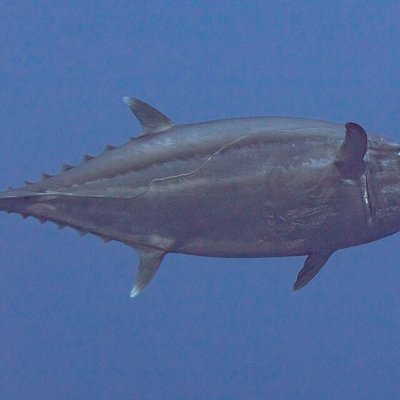
Dogtooth tuna are one of the hardest-fighting fish in the ocean. Here's where to find them, what gear actually stops them, and the technique that produces trophies.
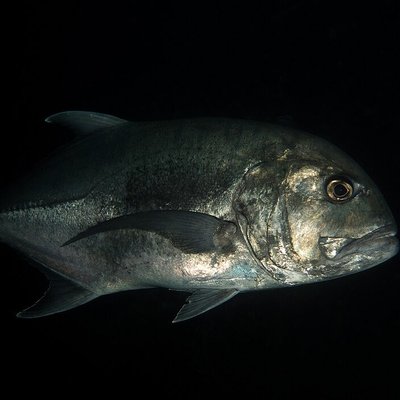
GT popping is the most exciting form of saltwater fishing on the planet. Here's the practical guide: rods, reels, lures, retrieves, timing, and what actually triggers GT to attack.
3 May 2026Giant Trevally — GT, gigas, doggies, whatever you call them — are the apex predator of the Indo-Pacific reef. They hunt in packs, ambush from structure, and attack surface lures with a violence that ruins most anglers for any other species.
This is the practical guide to GT popping: gear, tactics, and what actually works.
Caranx ignobilis. The largest member of the trevally family, regularly caught at 20–40kg with trophies pushing 60kg+. They live across the Indo-Pacific, from the African coast through the Indian Ocean and into the western Pacific.
GT are reef predators. They hunt baitfish along channel edges, lagoons, atoll rims, and current-swept structure. They will attack anything that looks vulnerable on the surface — fish, birds, even small turtles.
The two world-class GT destinations are:
Dawn and dusk are the high-percentage windows — light low, baitfish active, GT visibility advantage at its peak.
But the real driver is tide. GT feed on moving water. Slack tide kills the bite. Strong tidal flow — particularly the outgoing tide draining bait out of a lagoon — switches them on regardless of time of day.
GT popping is a heavy-tackle sport. Light gear loses fish.
Two main techniques:
Vary your retrieve. If GT follow without committing, try faster or slower the next cast.
Three triggers consistently produce:
1. Distress. A baitfish that looks injured, panicked, or disoriented. Erratic action beats consistent action.
2. Commitment. GT often follow before they commit. The fish that hits hardest is the one that's been watching for 20 seconds. Don't change retrieve mid-follow — finish the cast hard.
3. Structure. Cast tight to structure — reef edges, drop-offs, overhangs. GT ambush from cover.
The first 10 seconds matter most. GT will run hard for the reef and try to cut you off on coral. Maximum drag pressure, rod low, lean back hard. If you let the fish reach the reef, you're done.
Once you turn the fish away from structure, the fight settles into long runs and powerful headshakes. Heavy gear shortens fights — better for the fish, better for the angler.
Catch and release is standard practice for trophy GT in serious fisheries. The species takes years to grow large, and pressured populations recover slowly. Handle the fish in the water where possible, use single inline hooks if you can, and minimise air time.
The best way to catch a serious GT is to fish a serious GT destination. We run small-group GT expeditions to Raja Ampat, West Papua, and the Maldives — designed around tides, seasons, and the productive zones we've scouted. View our upcoming trips or contact us for custom dates.
Dogtooth tuna are one of the hardest-fighting fish in the ocean. Here's where to find them, what gear actually stops them, and the technique that produces trophies.
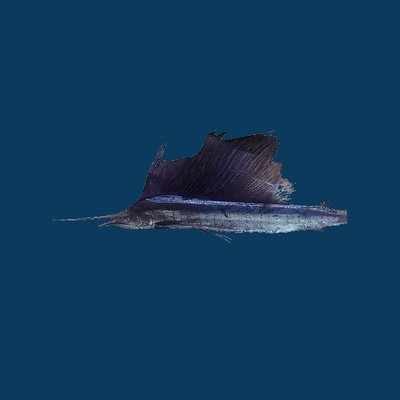
The Maldives has one of the most underrated sailfish fisheries in the Indian Ocean. Here's the practical breakdown: when to come, where to fish, and the techniques that actually work.
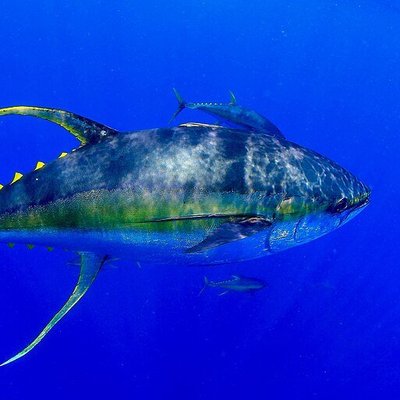
Yellowfin tuna are the bluewater hallmark of the Indian Ocean. Here's where to find them, what tactics work, and what tackle stops a 50kg+ fish in deep water.