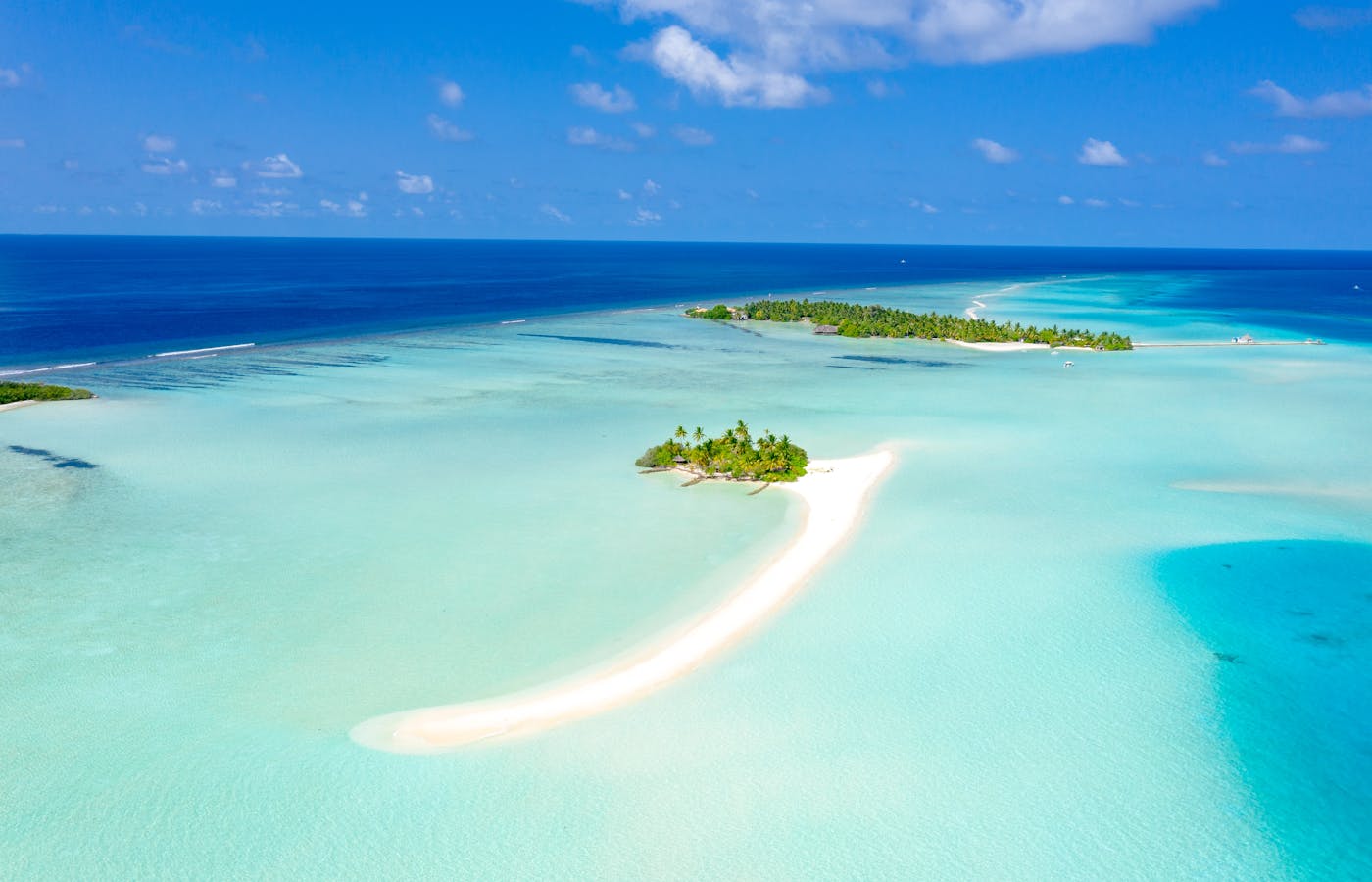
The Maldives gets marketed as a year-round destination, which is true — but the season you pick fundamentally changes the fishing. Understanding the monsoon pattern is the difference between a great trip and a frustrating one.
Here's the practical breakdown.
The two monsoons
The Maldives has two clearly defined monsoon seasons:
- Northeast Monsoon (October to April) — locally called "Iruvai". Calm seas, clear water, lower humidity.
- Southwest Monsoon (May to September) — locally called "Hulhangu". Wind, rain, rougher seas.
Most fishing tourism is concentrated in the NE monsoon. SW monsoon trips happen but require more careful destination selection.
Northeast Monsoon: October to April
What conditions are like
Calm seas, particularly on the western side of atolls. Clear visibility — often 30m+ underwater. Lower humidity, less rain.
What fishing is like
The textbook peak season for Maldives fishing. All species in play:
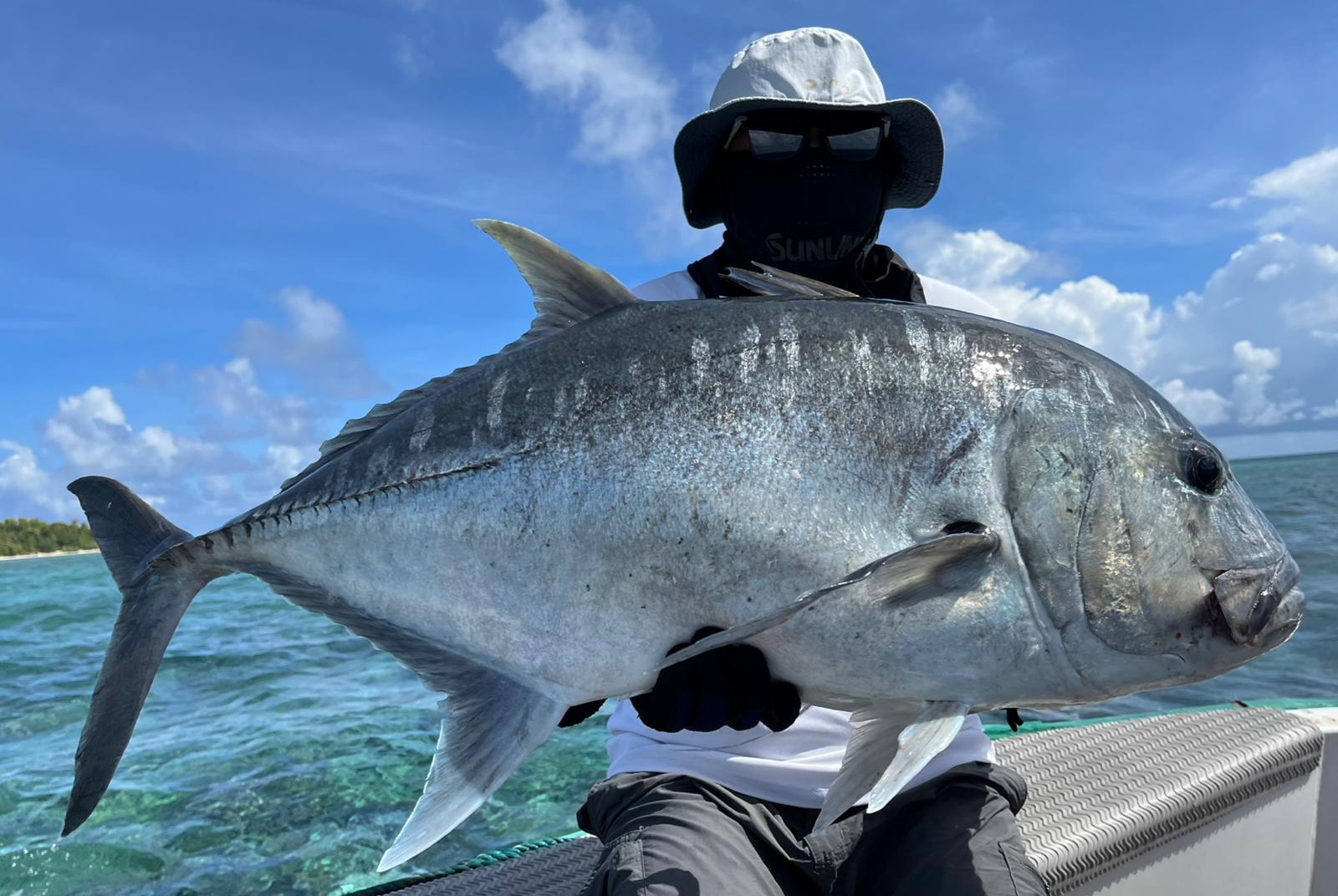
- GT popping at maximum consistency
- Sailfish runs peak November to March
- Yellowfin tuna offshore
- Wahoo and dogtooth on the channel edges
- Reef fish active throughout the day
Where to fish
Anywhere in the country, but central and southern atolls (Vaavu, Meemu, Felidhu) are particularly productive in this window.
What it costs
Peak pricing. High demand. Book 6+ months ahead for serious trips.
Best months within the window
February and March are widely considered the absolute peak — settled weather, active fish, clearest water.
Southwest Monsoon: May to September
What conditions are like
Stronger winds, particularly from the southwest. Choppier seas. More rain, often in afternoon squalls. Higher humidity.
The intensity varies through the season:
- May: Transition, monsoon beginning
- June–August: Peak monsoon
- September: Transition, monsoon easing
What fishing is like
Productive but tactically constrained. Some species become harder to target consistently:
- GT popping: weather-dependent, focus on sheltered zones
- Sailfish: numbers drop significantly
- Offshore pelagics: choppy conditions limit bluewater days
- Reef fishing: still strong in sheltered zones
But — strong currents during SW monsoon actually concentrate fish on certain reef edges. Properly targeted, the fishing can be excellent.
Where to fish during SW monsoon
This is where destination selection matters most.
Recommended monsoon-proof zones:
- Haa Alif, Haa Dhaalu (far north) — sheltered, productive
- Lhaviyani (north) — sheltered eastern side
- Noonu (north) — productive in monsoon
- Raa, Baa (central north) — relatively sheltered
- Dhaalu (south-central) — sheltered lagoons only
Avoid in peak SW monsoon:
- Southern atolls (Addu, Gaafu Dhaalu) — directly exposed to monsoon
- Western sides of central atolls — most affected by wind
What it costs
Lower demand, lower prices. Often 30–50% cheaper than peak season for the same itinerary.
Best for
Experienced anglers who can adapt to conditions, anglers with date constraints, or anglers chasing specific species (some yellowfin and dogtooth fishing actually improves during SW monsoon).
Within a monsoon: tide and moon
Once you've picked a monsoon, the next layer is lunar timing.
Full and new moon periods produce stronger tides. Stronger tides concentrate bait on reef structure and trigger feeding behaviour in predators.
Fishing 3 days either side of new or full moon typically outperforms the periods between.
This matters more in current-driven Maldivian fisheries (Vaavu channels, for example) than in bluewater pelagic targeting.
A month-by-month quick reference
| Month | Conditions | Best for |
|-------|------------|----------|
| January | NE monsoon, calm | Everything |
| February | NE monsoon, peak calm | Everything — top month |
| March | NE monsoon, peak calm | Everything — top month |
| April | NE monsoon ending | Excellent, last reliable peak month |
| May | SW monsoon beginning | Northern atolls only |
| June | SW monsoon | Sheltered zones |
| July | SW monsoon peak | Specialist trips only |
| August | SW monsoon | Specialist trips only |
| September | SW monsoon ending | Sheltered zones, improving |
| October | NE monsoon beginning | Excellent, season opener |
| November | NE monsoon | Top month, sailfish peak |
| December | NE monsoon | Excellent — holiday premium |
How to actually pick
If forced to pick a single month: February or March.
If you want to avoid peak crowds and prices: April or late September/October.
If your dates are fixed in SW monsoon: base in northern atolls (Lhaviyani, Noonu, Haa Alif) and lower your expectations of bluewater pelagic days.
Picking by target species
- Pure GT focus: October–April, anywhere
- Sailfish focus: November–March in central atolls (Meemu, Vaavu)
- Mixed bag, easy logistics: February or March in central atolls
- Yellowfin / dogtooth focus: Year-round capability, focus on tides and moon
- Family-friendly with some fishing: Any NE monsoon month with resort-based operations
Sea sickness and weather
The SW monsoon brings genuinely rougher conditions. If sea sickness affects you significantly, this matters. NE monsoon is markedly calmer — many guests report no sea sickness at all on northeast monsoon trips, where SW monsoon trips often produce queasy moments.
Stugeron, scopolamine patches, and ginger remedies all help. Plan accordingly.
Ready to plan?
We schedule Maldives trips across both monsoons, with itineraries built around what's actually productive in each window. View upcoming Maldives expeditions or contact us to discuss what makes sense for your dates and targets.